

Logo Design: Tips for Crafting a Memorable Logo

Overview
Creating a strong logo is essential for brand identity, serving as the visual cornerstone of your branding strategy. Key steps include understanding your brand's essence, keeping the design simple, considering color psychology and typography, ensuring versatility, and seeking feedback. An effective logo should evolve with your business while maintaining core values. Protect your design and remember that a logo is more than just a symbol—it's a story that fosters customer recognition and loyalty.
Contents
When it comes to creating a brand identity, a logo is undeniably one of the most critical elements. A well-designed logo serves as the foundation of your branding and can significantly influence customers' perceptions of your business. As we dive into the world of graphic design and branding, we will share essential tips for crafting a memorable logo that reflects the values and mission of your brand. Whether you are a novice looking to understand the fundamentals, or a seasoned designer seeking fresh insights, this article will provide valuable guidance.
Understanding the Purpose of Your Logo
Before jumping into the design process, it’s important to understand what a logo represents. A logo is more than just a visual symbol; it is a representation of your brand’s identity. It tells a story about who you are, what you do, and what you stand for. Your logo should embody the essence of your brand, creating a positive first impression in potential customers. A strong logo can enhance marketing efforts, making it easier for customers to recognize and remember your business.
Creating a Memorable Logo: Key Steps
Research and Inspiration: Start with thorough research. Analyze your competitors, explore visual styles within your industry, and gather inspiration from successful logos. Look beyond logos to find inspiration in art, nature, and culture.
Define Your Brand Identity: Consider your brand's personality and values. Is your brand playful or serious? Modern or traditional? This understanding will guide your design choices.
Simplicity is Key: A memorable logo is typically simple and easy to recognize. Avoid cluttered designs; instead, focus on a single visual idea that communicates your brand effectively.
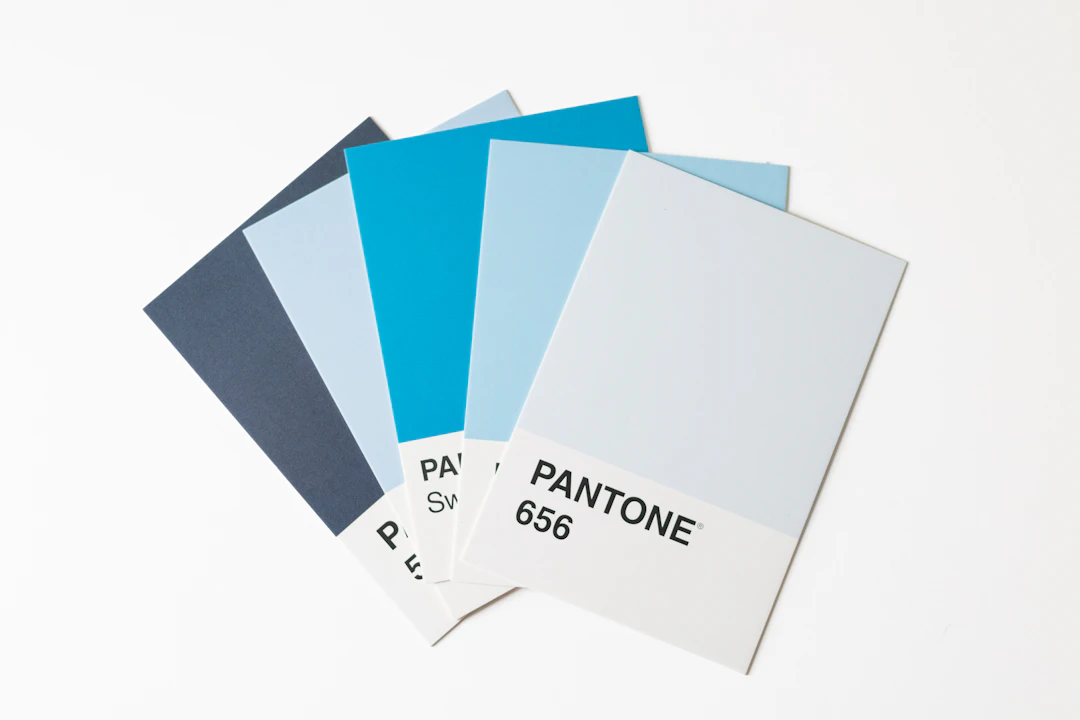
Consider Color Psychology: The colors you choose play a crucial role in evoking emotions and influencing perceptions. Research color theory to select a palette that aligns with your brand's message.
Typography Matters: Typography can convey personality and tone. Be selective about your font choice, ensuring that it complements your logo and maintains legibility.
Be Unique and Timeless: Strive for originality in your logo design. Avoid trends that may quickly become outdated, and focus on creating a logo that stands the test of time.
Seek Feedback: Share your designs with trusted peers or potential customers for feedback. This is an essential part of the design process, helping you identify areas for improvement.
The Importance of Versatility
A great logo should be versatile enough to be used across various platforms and applications, from your website to business cards and billboards. When designing, consider how your logo will look in different sizes and formats. Ensure that it is scalable and still maintains its visual integrity in black and white or color.
How to Test Your Logo Effectiveness
Once you have developed a few logo concepts, it’s crucial to test their effectiveness. Gather a focus group of individuals who fit your target audience profile and ask them their opinions. Questions to consider include:
What emotions does the logo evoke?
Does it communicate the essence of the brand?
Is it memorable?
Does the logo align with the brand’s identity?
Listening to feedback and making necessary adjustments can significantly improve the effectiveness of your logo.
Protecting Your Logo and Brand
After creating a memorable logo, it is vital to consider how to protect your intellectual property. Navigating copyright and design ethics is critical to ensuring that your logo remains uniquely yours. To learn more, you may want to refer to our resource on copyright and design ethics.
The Role of a Logo in Branding
A logo is the visual cornerstone of your branding strategy. It establishes your brand’s identity, sets the tone for your marketing, and fosters customer loyalty over time. Consistency in how you display your logo across various platforms reinforces brand awareness, helping customers easily recognize your product or service. In essence, your logo is a powerful tool that supports your overall branding efforts.
Examples of Iconic Logos and Their Stories
To inspire your creativity, let's look at a few iconic logos and the stories behind them:
Nike: The simplicity of the swoosh logo symbolizes speed and movement, perfectly embodying the brand's ethos.
Apple: The apple with a bite taken out represents knowledge and enlightenment, engaging customers on an emotional level.
Coca-Cola: The distinct font and color evoke nostalgia and happiness, helping create a strong emotional connection with consumers.
FedEx: The arrow hidden within the logo signifies speed and precision, capturing the company's commitment to delivering services effectively.
Evolving Your Logo
As your business grows and evolves, so should your logo. It’s essential to revisit and update your logo occasionally to ensure it aligns with current trends and reflects the evolution of your brand. However, keep in mind that any changes made should still respect and preserve the core identity of your brand. This careful balance between evolution and consistency is critical to maintaining customer loyalty.
Ready to Create Your Perfect Logo?
When it comes to crafting a memorable logo, the journey is both exciting and challenging. Understanding the purpose of your logo, researching your competition, and taking the time to refine your design concept are vital steps toward success. This unique symbol will serve as the face of your branding and marketing efforts for years to come.
Remember, a logo is more than just a design; it's a story. By embedding your brand values and identity into your logo, you can create a powerful and enduring impression in the minds of consumers. Ready to start designing? Don’t forget to also check out our articles about graphic design trends and the art of typography to elevate your logo even further.
The world of graphic design holds endless possibilities, and with these tips, you’ll be well on your way to crafting a logo that stands out from the crowd and leads your branding to success!
FAQs
What is the purpose of a logo?
A logo represents your brand’s identity, telling a story about who you are, what you do, and what you stand for. It creates a positive first impression and helps customers recognize and remember your business.
What are the key steps to creating a memorable logo?
Key steps include researching and gathering inspiration, defining your brand identity, focusing on simplicity, considering color psychology, choosing appropriate typography, ensuring uniqueness and timelessness, and seeking feedback.
Why is versatility important in logo design?
A versatile logo can be used across various platforms and applications, from websites to business cards and billboards, maintaining its visual integrity in different sizes and formats.
How can I test the effectiveness of my logo?
Gather a focus group of individuals from your target audience and ask for their opinions on the emotions the logo evokes, its alignment with the brand, and its memorability.
What should I consider when evolving my logo?
When evolving your logo, ensure it aligns with current trends while preserving the core identity of your brand to maintain customer loyalty.


Comments