

Using Imagery Effectively in Branding: Create the Visual Impact Your Brand Deserves

Overview
Effective imagery is crucial for branding in today's digital world. It enhances memorability, emotional connections, and brand identity. Key elements include a unique logo, color theory, visual storytelling, consistency across platforms, typography, and leveraging negative space. Staying updated on design trends and incorporating emerging technologies can help brands connect better with their audience and thrive.
Contents
In today's fast-paced digital world, imagery plays a pivotal role in branding. As consumers are bombarded with an endless array of advertisements and content, the ability to stand out visually becomes crucial. Effective branding isn’t just about having a beautiful logo or a catchy slogan; it requires a cohesive visual strategy that resonates with your target audience. This blog will delve into how to use imagery effectively in branding, highlighting crucial elements such as graphic design, color usage, visual storytelling, and the psychology behind imagery in marketing.
The Importance of Imagery in Branding
Imagery serves as a powerful means of communication, capable of evoking emotions and establishing connections. When used strategically, it can enhance brand recognition and foster customer loyalty. Here are some key reasons why effective imagery is essential in branding:
Memorability: Visuals are often more memorable than text. A well-designed graphic or logo can leave a lasting impression.
Emotional Connection: Images have the ability to evoke feelings and create associations. This can influence how consumers perceive a brand.
Clarity and Understanding: Good imagery can convey complex ideas quickly and clearly, making your brand message more understandable.
Brand Identity: Consistent use of imagery reinforces your brand's identity and values, helping consumers identify with your brand.
Building Your Brand’s Visual Strategy
A strong brand is built on a solid visual foundation. Here are some vital components for creating a compelling visual strategy:
1. Develop a Unique Logo
Your logo is often the first thing people associate with your brand, making it a critical aspect of branding. A well-crafted logo should:
Be simple and versatile
Represent your brand’s values and mission
Be memorable and easy to recognize
For more insights on creating effective logos, check out our article on Logo Design: Tips for Crafting a Memorable Logo.
2. Utilize Color Theory
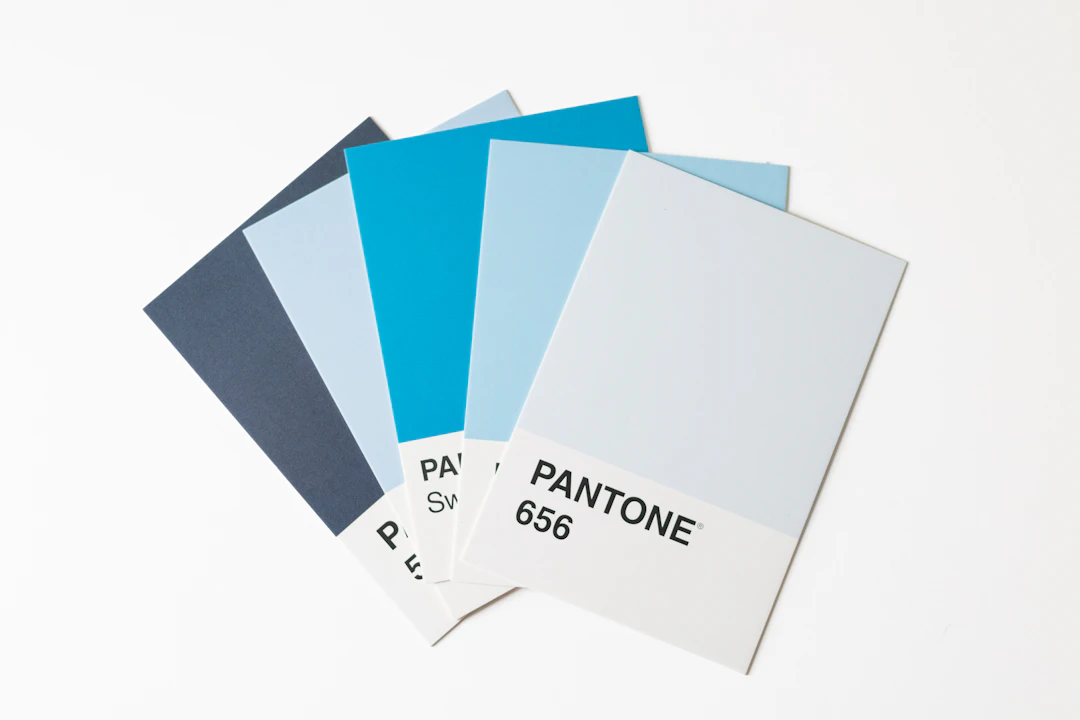
Colors can significantly affect how consumers perceive your brand. Understanding color theory can guide you in choosing a palette that reflects your brand personality. For instance:
Red: Passion, energy, urgency
Blue: Trust, calm, professionalism
Green: Growth, health, tranquility
To explore color choices further, refer to our discussion on Color Theory in Graphic Design.
3. Incorporate Visual Storytelling
Visual storytelling can help convey your brand message more engagingly. This involves using imagery to narrate a story about your brand. Consider the following:
Use images to illustrate your brand’s journey or mission.
Incorporate customer testimonials or case studies through visual means.
Use engaging visuals in your ad work to enhance marketing campaigns.
Read about how visual storytelling impacts graphic design in our article on The Impact of Visual Storytelling in Graphic Design.
Maintaining Consistency Across Platforms
Once you've established a unique visual identity, it’s essential to maintain consistency across all platforms. This includes:
Your website design
Social media profiles
Print materials like business cards and brochures
Consistency reinforces brand recognition. Ensure that your chosen color palette, typography, and visual elements align with your brand’s message, whether online or offline.
The Role of Typography in Branding
Typography is an often-overlooked element of imagery in branding. The fonts you choose can significantly influence how your brand is perceived. Here are some tips for effective typography:
Choose fonts that reflect your brand's tone - playful, serious, modern, or classic.
Limit the number of typefaces to two or three to maintain cohesion.
Ensure readability across all platforms, especially in digital marketing materials.
You can learn more about enhancing your designs with typography by visiting our blog post on The Art of Typography: Elevating Your Graphic Design Game.
Leveraging Negative Space
Negative space, or the space around your subject, can significantly enhance your branding visuals. By thoughtfully incorporating negative space, you can create designs that are clean and aesthetically pleasing, making it easier for your audience to focus on your core message. Here’s how to leverage negative space effectively:
Use it to draw attention to your logo or key elements.
Create a sense of balance and calmness in your overall design.
Foster a creative and modern look to stand out from competitors.
For detailed insights on this topic, check out our post on Harnessing the Magic of Negative Space in Graphic Design.
The Future of Branding Through Imagery
As technology and consumer preferences evolve, the role of imagery in branding is only expected to grow in significance. Here are some trends to keep an eye on:
Augmented Reality (AR): AR features in branding allow consumers to interact with products virtually, providing a personalized experience.
Micro-animations: Small animations can draw attention to key elements, making marketing material more engaging.
High-quality visuals: The demand for high-resolution imagery is on the rise, emphasizing the importance of investing in professional graphic design.
Unleashing Your Brand's Potential with Imagery
In conclusion, the effective use of imagery in branding is not just an option; it's a necessity in today's competitive landscape. By implementing a comprehensive visual strategy that includes a unique logo, appropriate color schemes, and engaging visual stories, your brand can effectively connect with its audience. Emphasizing consistency and leveraging typography and negative space will further enhance your brand identity, keeping you relevant in your industry.
As you navigate your branding journey, stay updated with design trends and best practices in graphic design and marketing, ensuring your brand continually resonates with and inspires your target audience. Embrace the power of imagery, and watch as your brand flourishes!
FAQs
Why is imagery important in branding?
Imagery is crucial in branding because it enhances brand recognition, evokes emotions, and fosters customer loyalty. Effective visuals can make a brand more memorable and help convey messages clearly.
What are the key components of a visual branding strategy?
Key components include developing a unique logo, utilizing color theory, incorporating visual storytelling, maintaining consistency across platforms, and effective use of typography and negative space.
How does color theory impact branding?
Color theory impacts branding by influencing consumer perceptions. Different colors evoke different emotions and associations, which can help convey a brand's personality and values.
What role does typography play in branding?
Typography influences how a brand is perceived. Choosing the right fonts can reflect a brand's tone, enhance readability, and maintain design cohesion across platforms.
What trends should brands consider for the future of branding through imagery?
Brands should consider trends like augmented reality for interactive experiences, micro-animations to engage audiences, and a focus on high-quality visuals for a professional look.


Comments